In brief
A certificate of analysis (COA) is a laboratory’s report on one specific lot of spice. It lists what was tested, the result for each test, and the limit it was checked against. When you read one, check three things: that the lot number matches your shipment, that the tests and limits match your specification, and that every result passes.
What a COA is for
A COA turns “good quality” into evidence. It shows that the lot you are buying was tested against the specification you agreed, before it ships. That protects you at your own receiving checks and gives you a record for your customers.
What you will find on a COA
| Section | What it shows | What to check |
|---|---|---|
| Header | Laboratory name, report number, dates | That the laboratory is independent, and the dates are recent |
| Sample details | Product, grade, lot or batch number, sample date | That the lot number matches your bags and documents |
| Physical and chemical | Moisture, purity or extraneous matter, ash, volatile oil | That results sit within your agreed limits |
| Microbiology | Salmonella, and often E. coli, yeast and mould | Salmonella should read “absent” in the tested quantity |
| Contaminants | Aflatoxins, pesticide residues, heavy metals such as lead | That results are below the limits your market applies |
| Conclusion and sign-off | Pass or fail against the specification, and an authorised signature | That the COA is signed and complete |
Red flags to watch for
- No lot number, or one that doesn’t match your shipment
- Tests missing that your specification requires
- Results reported without the limit they were checked against
- Old dates, or a report that covers a different product or grade
- No laboratory details or signature
How we handle testing
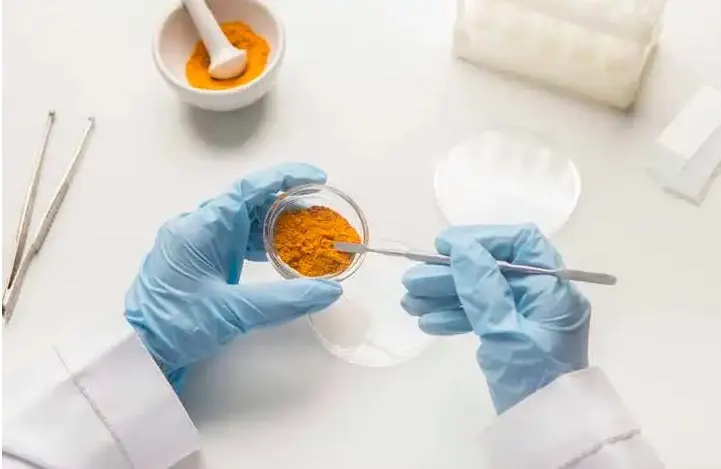
Every lot we supply is tested by an independent third-party laboratory in India against the specification agreed with you. Depending on the spice and your requirements, testing can cover Salmonella, aflatoxin, pesticide residues and heavy metals. You see the COA before shipment, and it travels with the shipping documents.
Questions buyers ask
Is a COA the same as a certificate of origin?
No. A COA reports laboratory test results for a lot; a certificate of origin states the country the goods come from. Both are usually part of an export shipment’s documents.
Do I get the COA before the spices ship?
Yes. We share the third-party lab results with you before shipment, so you can check them against your specification.
Which tests should I ask for?
That depends on the spice and your market. Tell us how the spice will be used and where it will be sold, and we’ll suggest a testing scope to agree before we quote.